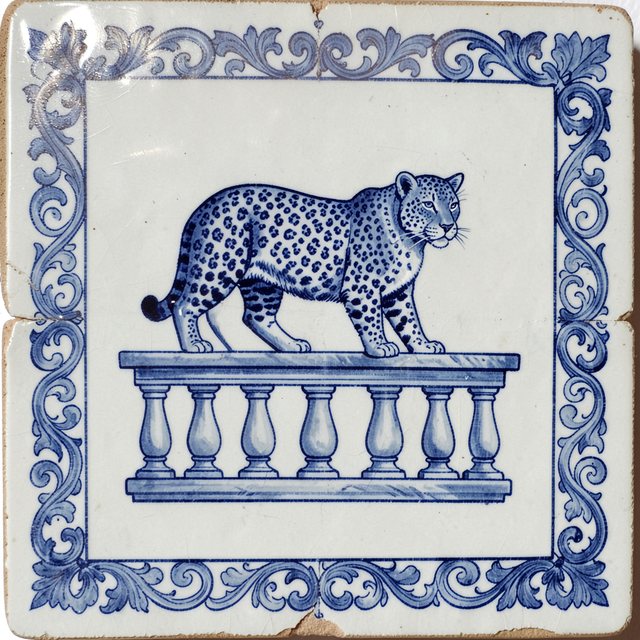
Gzhel
A single tile filling the frame, cobalt painting, a border at the edge.
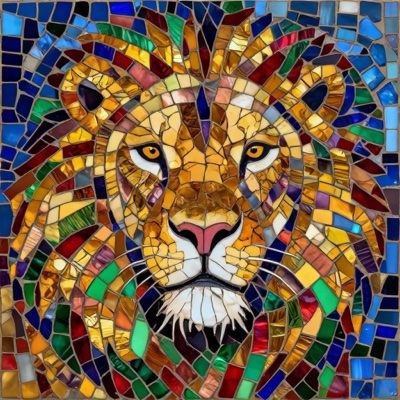
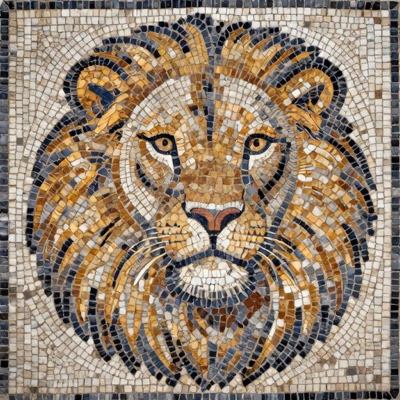

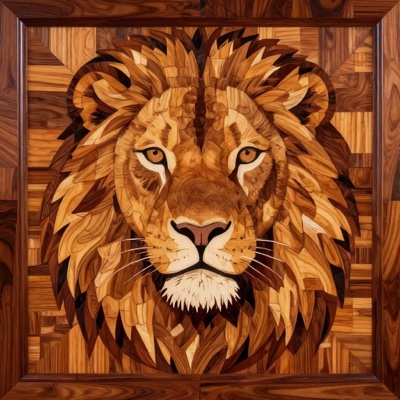
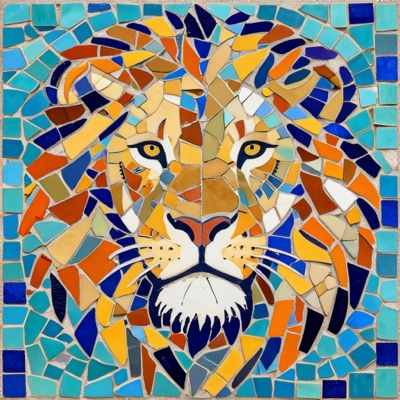
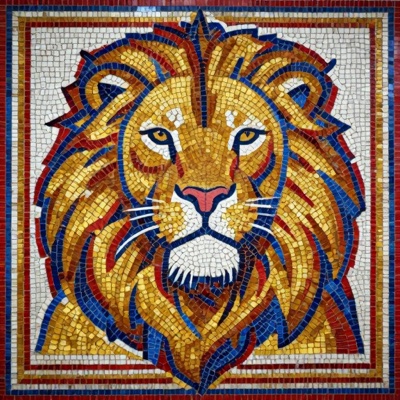
A stove tile is not a flat tile but a box-shaped stove part: it has a rumpa that anchors it in the masonry and a face carrying relief or painting. The composition follows the module — the design is either closed inside one tile by a border or continues across the joints onto its neighbours. The four styles here are Gzhel, polychrome relief, green-glazed muravlenyi and a fragment of a tiled stove.
A single tile filling the frame, cobalt painting, a border at the edge.
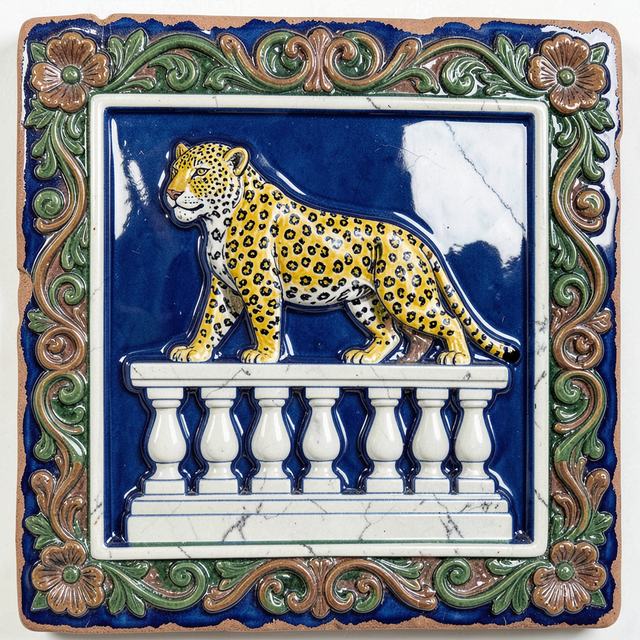
A relief border around the edge, colour inside the moulded ridges.
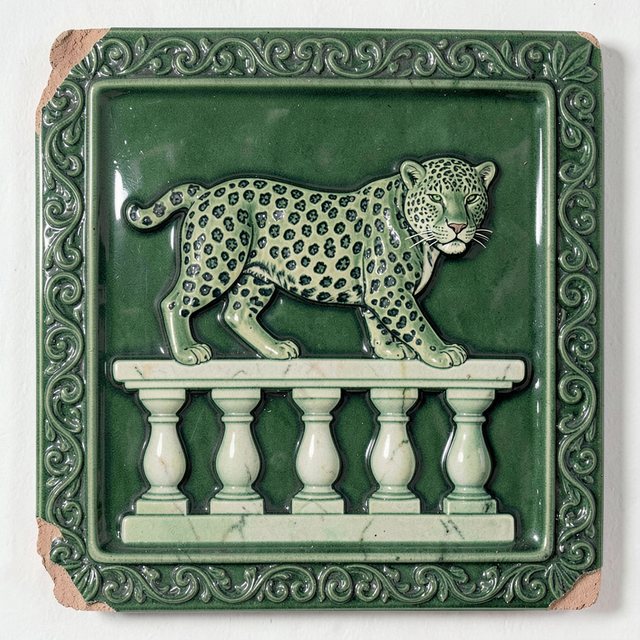
Green glaze only; the image reads through the relief.
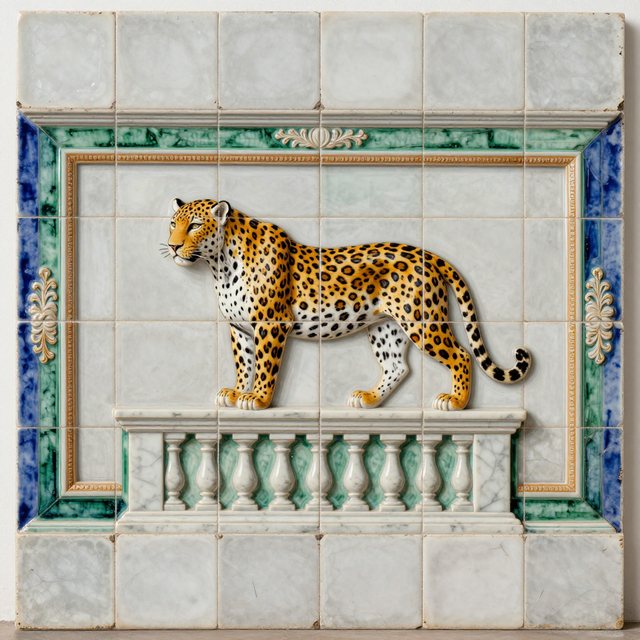
Joints between tiles are visible; the subject sits on the central ones.
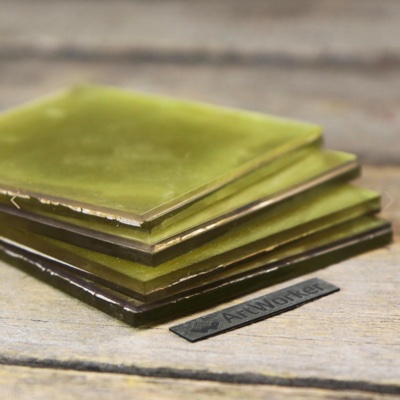
A tile under a single transparent green glaze — murava. There is no colour in it; the image is held by the relief alone, the glaze darkening in the hollows and thinning on the ridges.
Gzhel is cobalt painting on a white glaze — brushwork and flat areas of colour. A polychrome tile is moulded: coloured glazes are separated by relief ridges so they do not run together.
The stove-fragment style deliberately shows a set with the joints between tiles, so the repeat is visible. A full stove set is sketched in parts: the mirror, the bands, the cornice.