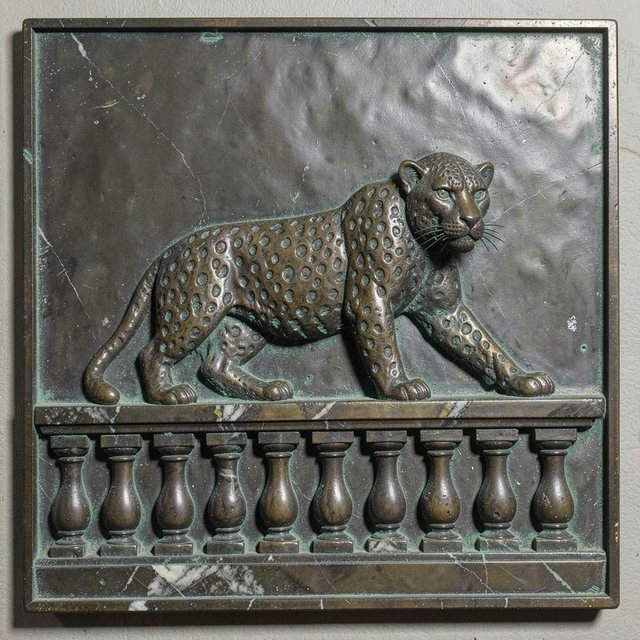
Cast bronze
Patinated metal, two or three planes, sharp light and shade.
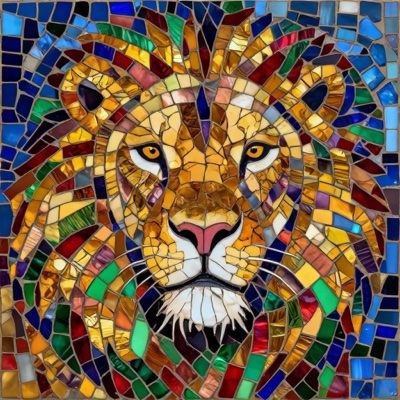
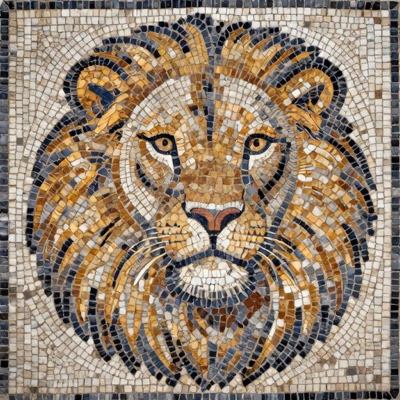
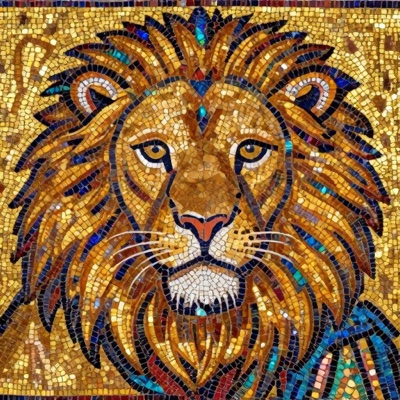
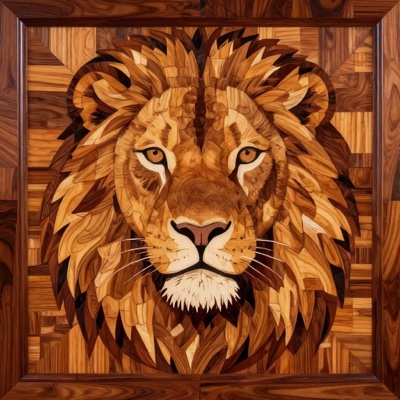
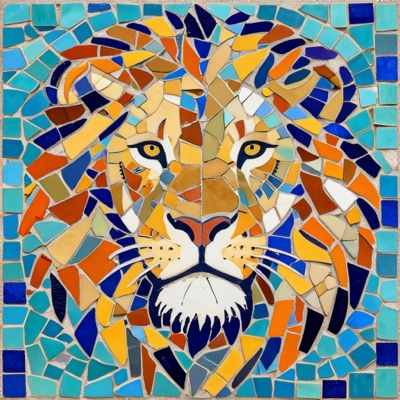
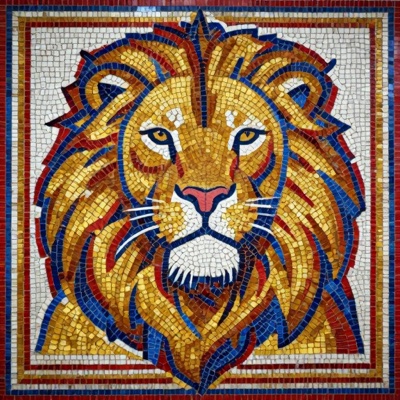
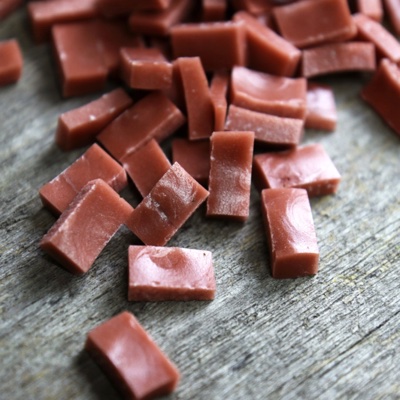
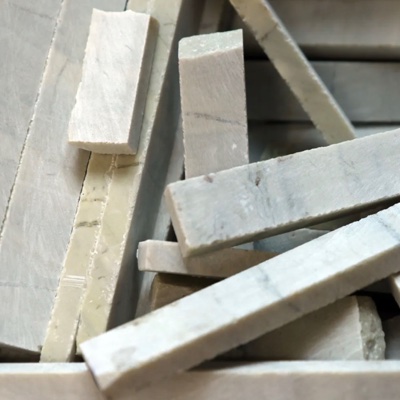
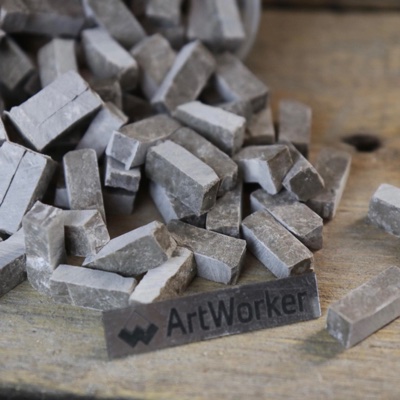
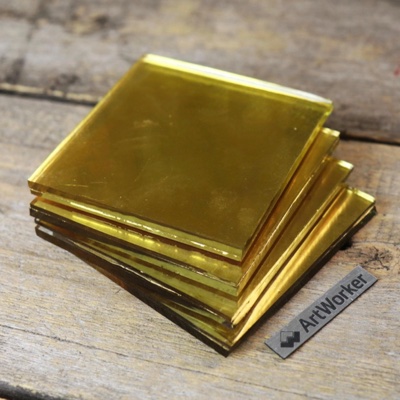
Relief reads through mass and shadow rather than colour: the depth of the planes and the direction of the light decide everything. A relief sketch is therefore a sculptural study — what projects, what recedes, in what material. The four styles here give four materials: cast bronze with patina, carved stone, low plaster relief and grainy chamotte.
Patinated metal, two or three planes, sharp light and shade.
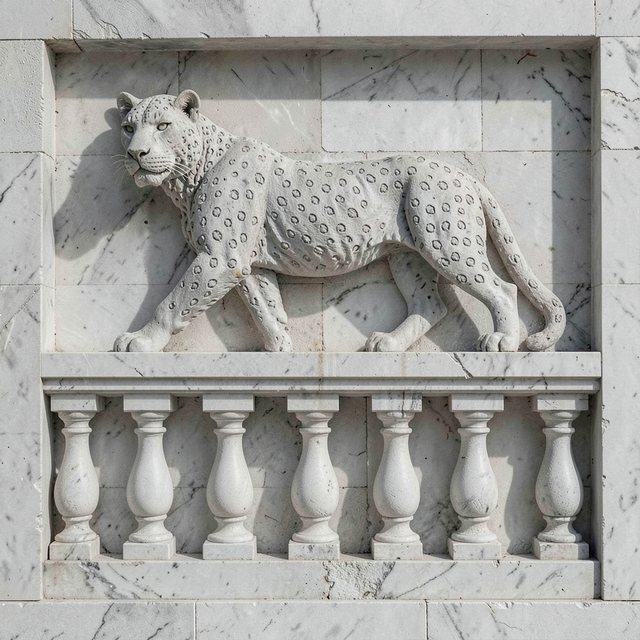
Grey stone, chisel facets. Volume as mass — one large subject.
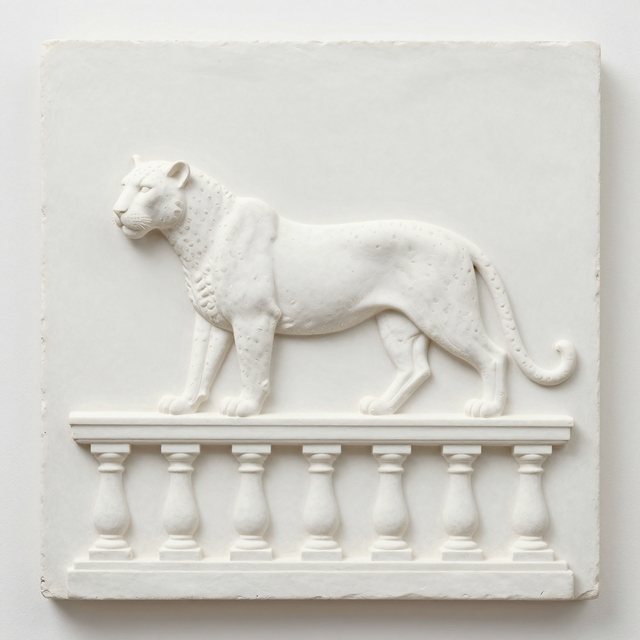
Flat white plaster, diffuse light. A clear silhouette wins.
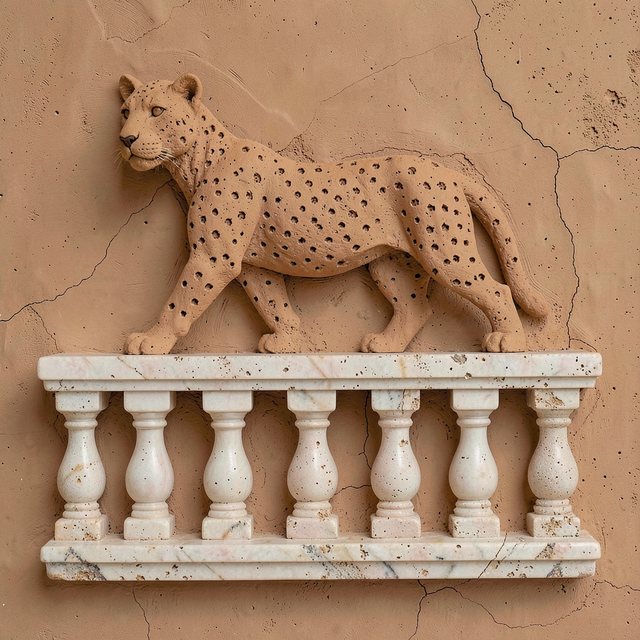
Grainy chamotte, tool marks, matte terracotta. Keep the form big.
In low relief (bas-relief) the figure projects less than half its depth and stays attached to the ground; in high relief it projects further, sometimes detaching. The low plaster style here is bas-relief, while bronze and chamotte are closer to high relief.
Because there is none in the real thing: bronze, stone and plaster are monochrome and the form is shown by light. The sketch deliberately keeps one material and one lighting scheme.
As a compositional study, yes: the depth planes, the surface character and the material texture are all there. Exact plane heights are set by the sculptor in clay.