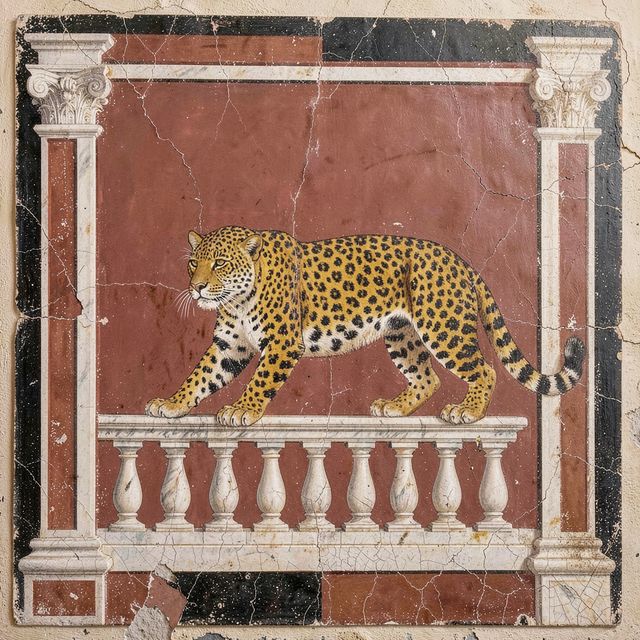
Pompeian
Red and black panels, earth pigments, craquelure and lost plaster.
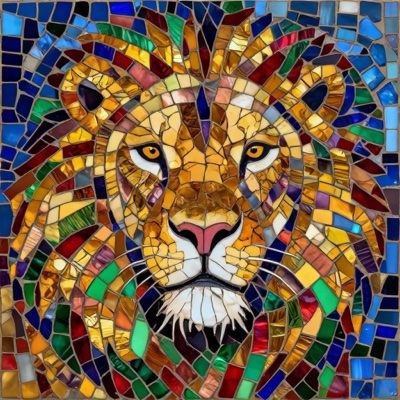
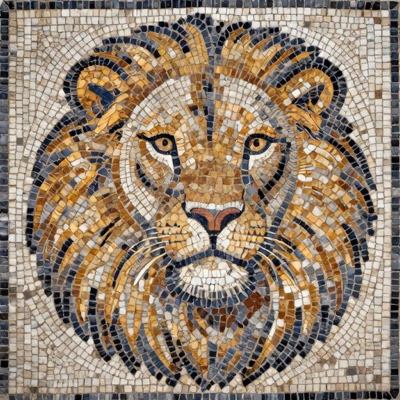
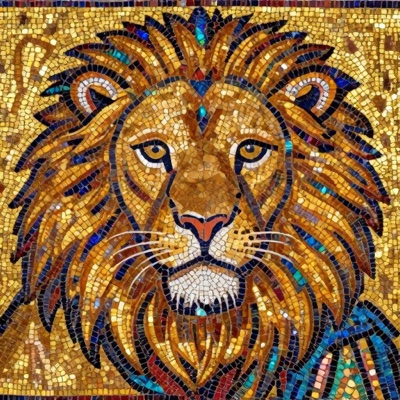
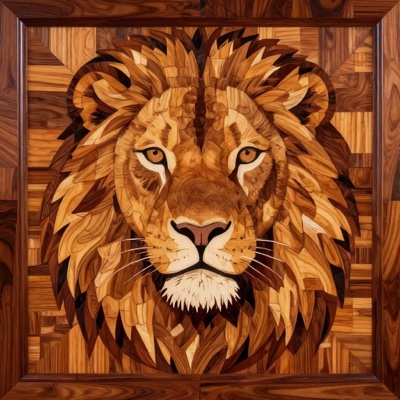
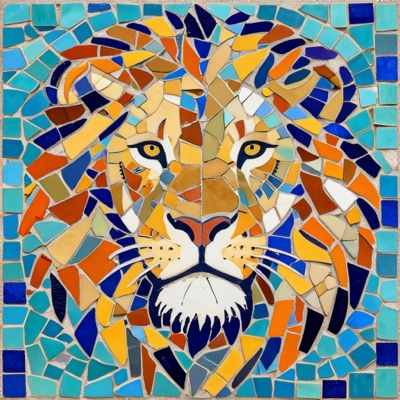
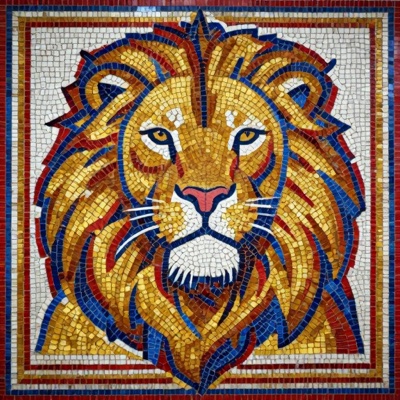
Fresco is painted into wet lime plaster: pigment binds with the lime before it sets, so the painter works in patches — giornate — whose seams remain visible on the finished wall. The four styles here take different eras of the technique, from Pompeian red and black panels to Renaissance modelling in washes and monochrome grisaille.
Red and black panels, earth pigments, craquelure and lost plaster.
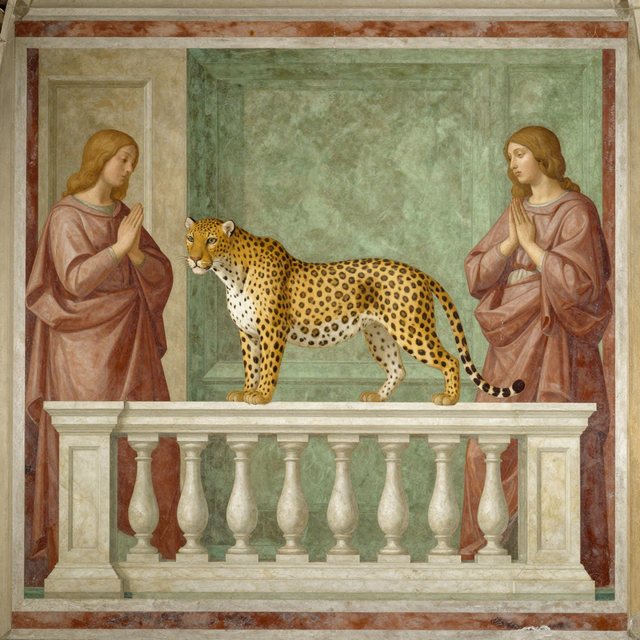
Earth palette, softly modelled form, giornata seams visible.
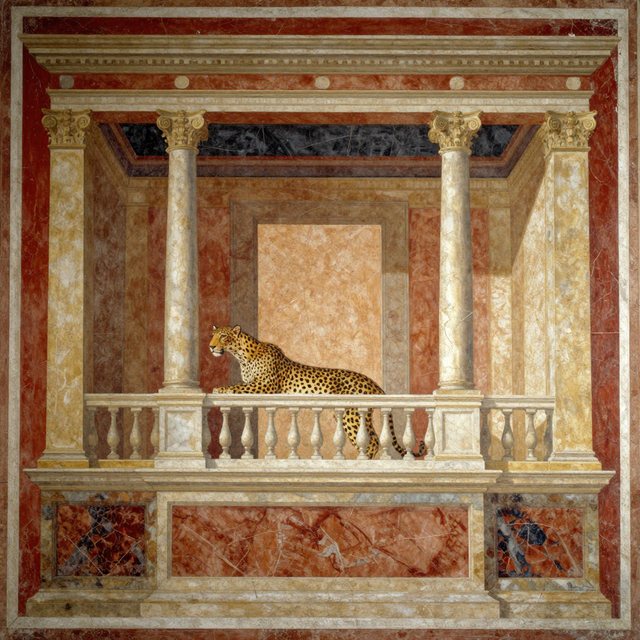
Illusionistic architecture fills the sheet; the subject sits small.
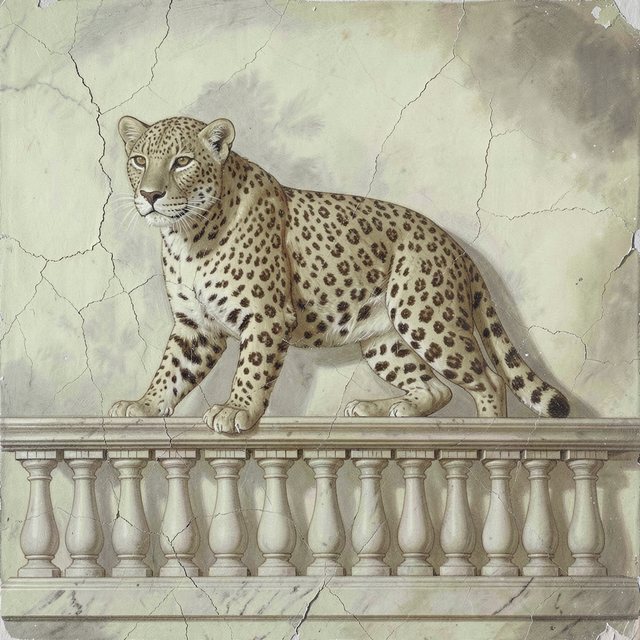
Sepia or grey monochrome, relief imitated with the brush alone.
True fresco (buon fresco) is painted into wet plaster and is held by the lime crust that forms as it carbonates. A secco painting sits on a dry wall in a binder and lasts less. The sketches here follow buon fresco: earth pigments, craquelure, small losses.
A giornata is the patch of plaster a painter can finish in one day; the joins stay as fine seams. The Renaissance style shows them, the Pompeian one hides them behind painted panels.
As a compositional base, yes: it sets the palette, the division of the wall and the character of the brushwork. For transfer at full scale it is enlarged and adjusted on site, like any cartoon.