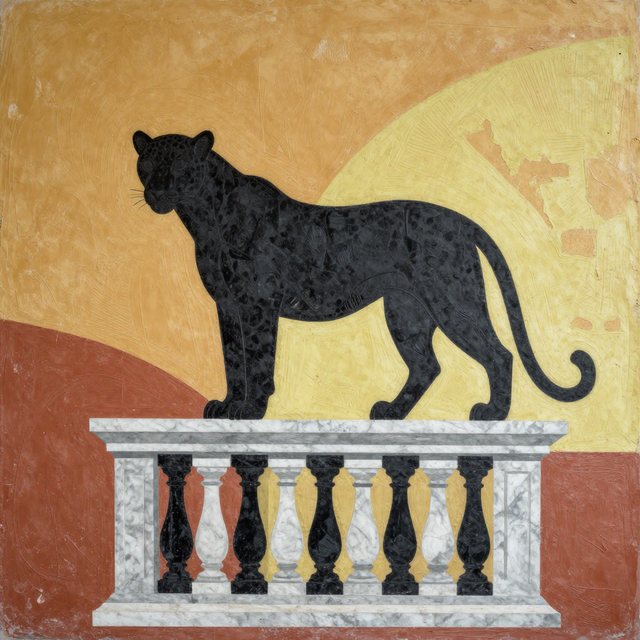
Coloured plaster
Flat silhouettes in coloured plaster. Needs one large subject.
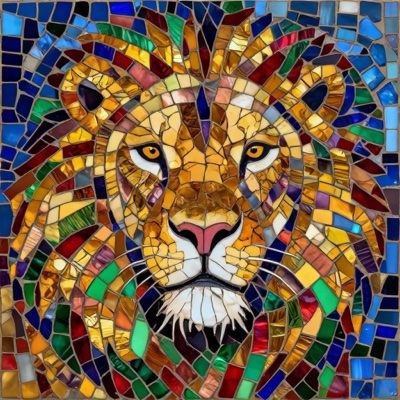
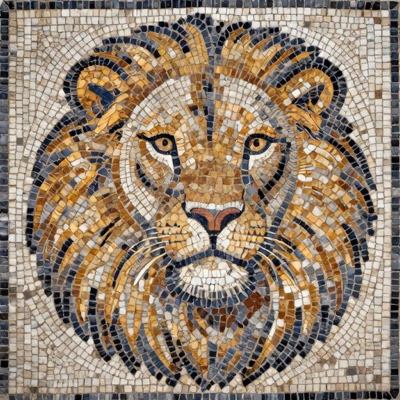
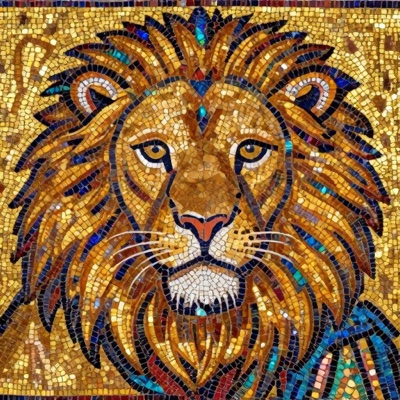
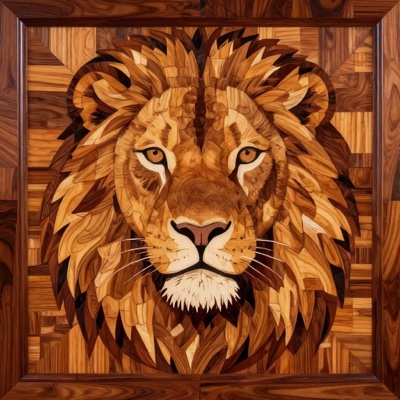
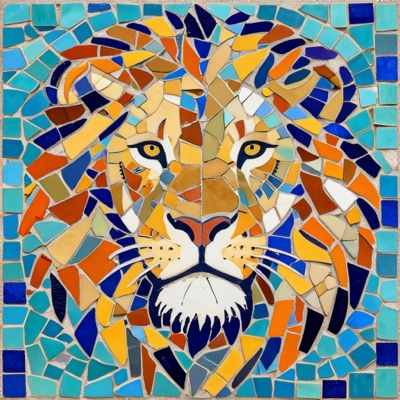
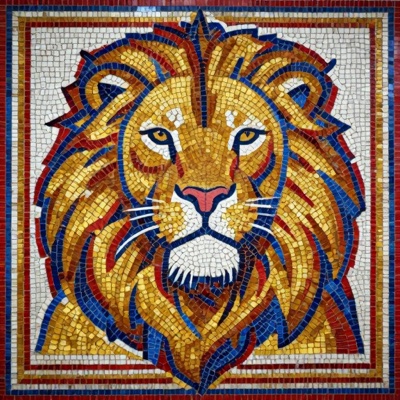
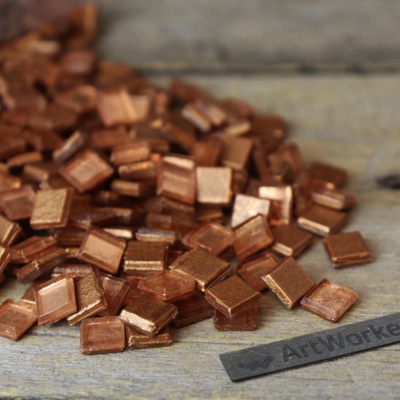
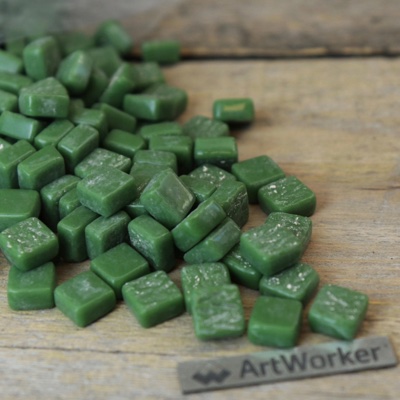
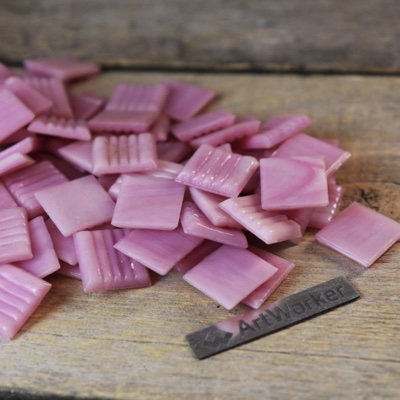
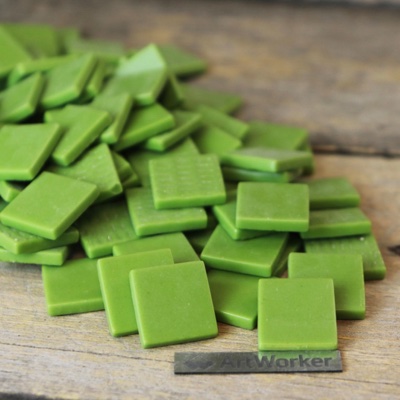
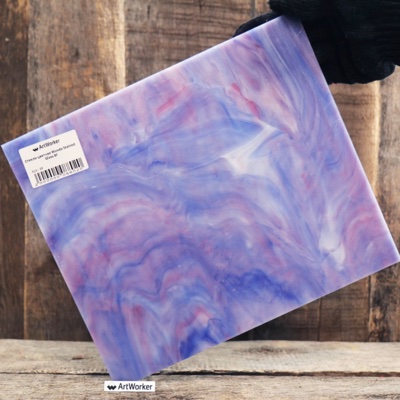
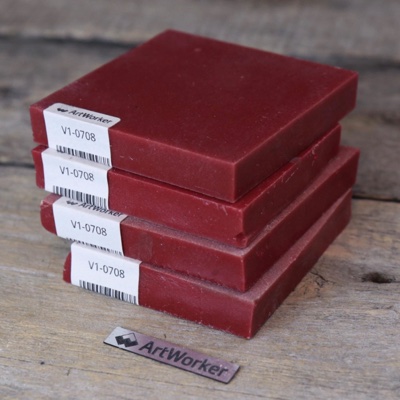
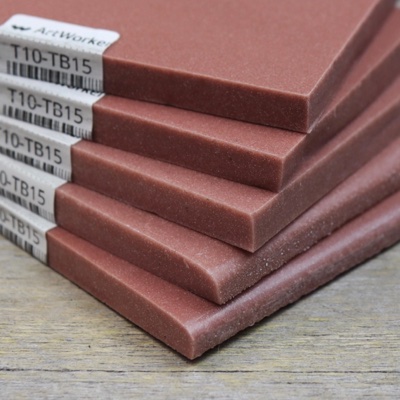
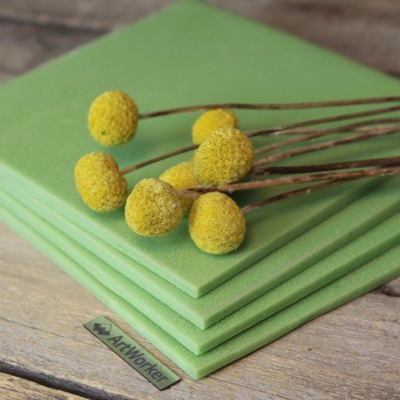
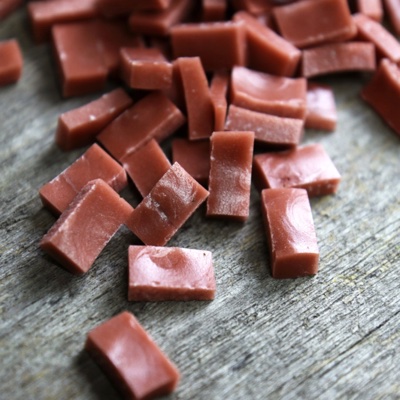
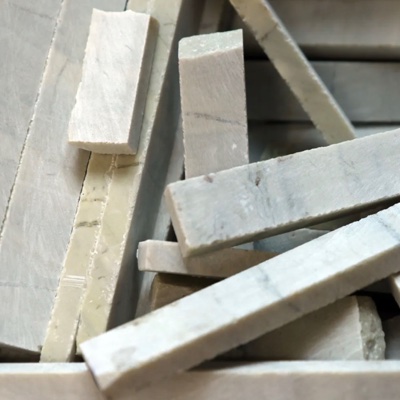
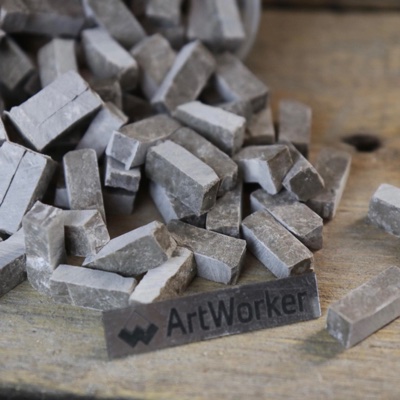
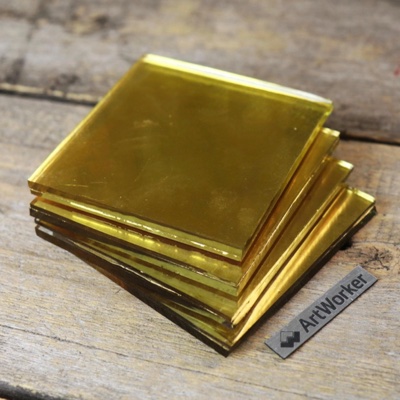
Sgraffito is built from layers of coloured plaster: the top layer is scratched away before it hardens and the design appears in the colour beneath. The technique wants a large silhouette and flat shapes — fine detail simply does not read. The four styles here run from coloured plaster and figured panels to two-tone white on dark.
Flat silhouettes in coloured plaster. Needs one large subject.
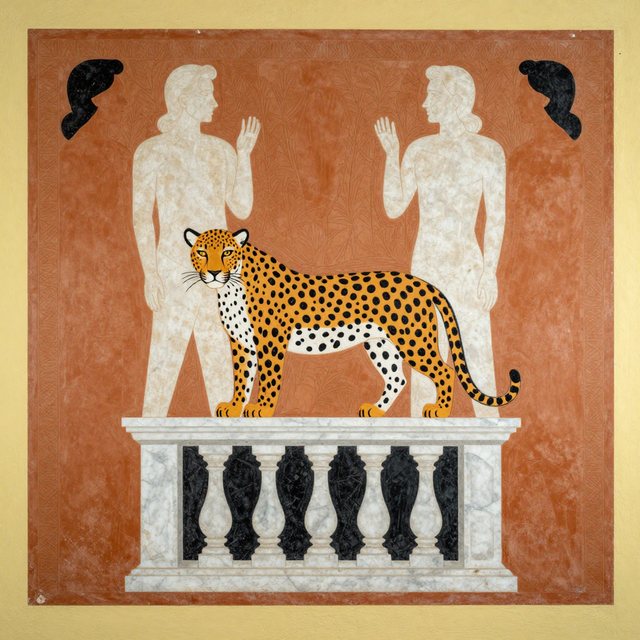
Large stylised figures on a scratched ground. Detail is lost.
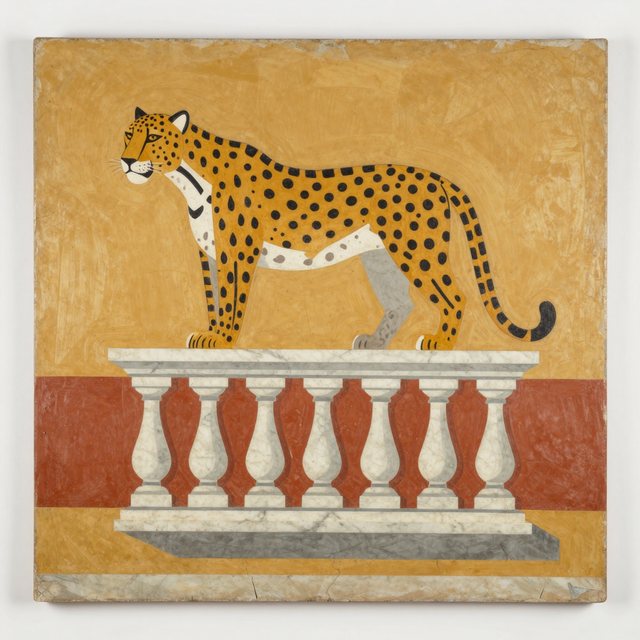
Broad colour bands, angular stylisation. Silhouette beats detail.
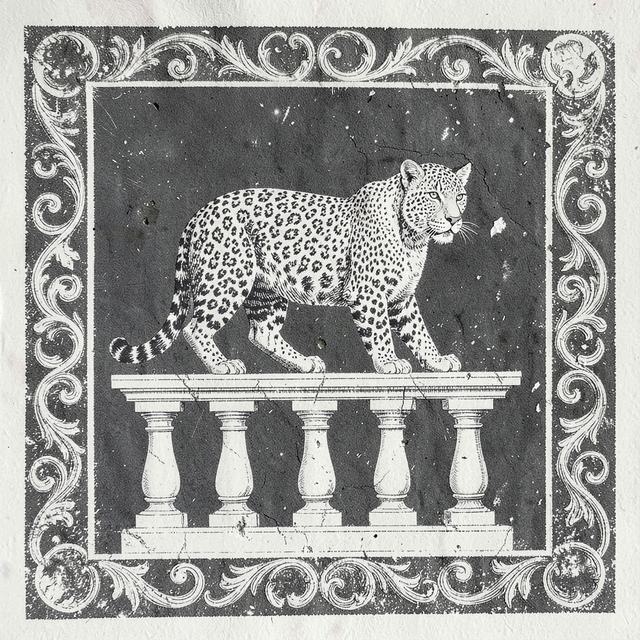
Two tones, scratched hatching, a border. One hero as the subject.
Usually two or three: a coloured ground, a contrasting top coat and sometimes one in between. More layers mean a richer design but a tighter schedule — the scratching must be done while wet.
Scratching gives a hard edge and carries no half-tone: the image is held by its silhouette. Small figures and a busy background merge at full scale, which is why the card texts suggest one hero.
Fresco is painting with pigment into wet lime; sgraffito is relief graphics — the colour is already in the plaster layers and the design is made by removing the top one.